

(Book links below lead to our Library, where they become affiliate links; if you buy through them, we earn a small commission at no extra cost to you, and your purchase supports our work. Thank you.)
Rick Beato has spent the past decade doing something quietly radical: sitting in front of a camera and taking popular music seriously, song by song, with the ear of a producer and the enthusiasm of a fan. His channel is one of the best free music educations on the Internet, and a recent video of his lodged in my head and would not leave. It’s called The 4 Bands That Will Still Be Played in 2100, and he asks a simple question: how is it that four artists who have released nothing new in roughly thirty years are outdrawing nearly every band that never stopped?
The numbers, as Rick tallies them, are worth sitting with:
· Nirvana: 31.4 million monthly Spotify listeners, with “Smells Like Teen Spirit” closing in on two billion streams;
· The Police: 29.1 million monthly listeners and no studio album since Synchronicity in 1983, with “Every Breath You Take” also nearing two billion streams;
· Queen: 52.6 million monthly listeners and five songs over a billion streams each;
· The Beatles: 36.5 million monthly listeners, with “Here Comes the Sun” exceeding one billion streams.
Now our control group: bands that kept going:
· Foo Fighters, 22.1 million monthly listeners;
· Eagles, 20 million monthly listeners;
· Pink Floyd, 18.7 million monthly listeners;
· Led Zeppelin, 18.1 million monthly listeners;
· Prince, 10.9 million monthly listeners.
Dead and disbanded bands are clearly surpassing living ones.
Rick offers good explanations. The Bohemian Rhapsody biopic introduced Queen to a generation that wasn’t alive for Live Aid; Queen still tours with Adam Lambert; Brian May is a delight on social media; Paul and Ringo still play the songs; and everyone from Wes Montgomery in 1967 to Beyoncé on Cowboy Carter has covered the Beatles. All true. But near the end of his video, he reaches for something bigger: maybe these songs are just that creative, he says; maybe history has already decided. That’s the thread I want to pull on, because I think he’s circling something much older than streaming, and it deserves a name.
No New Wine
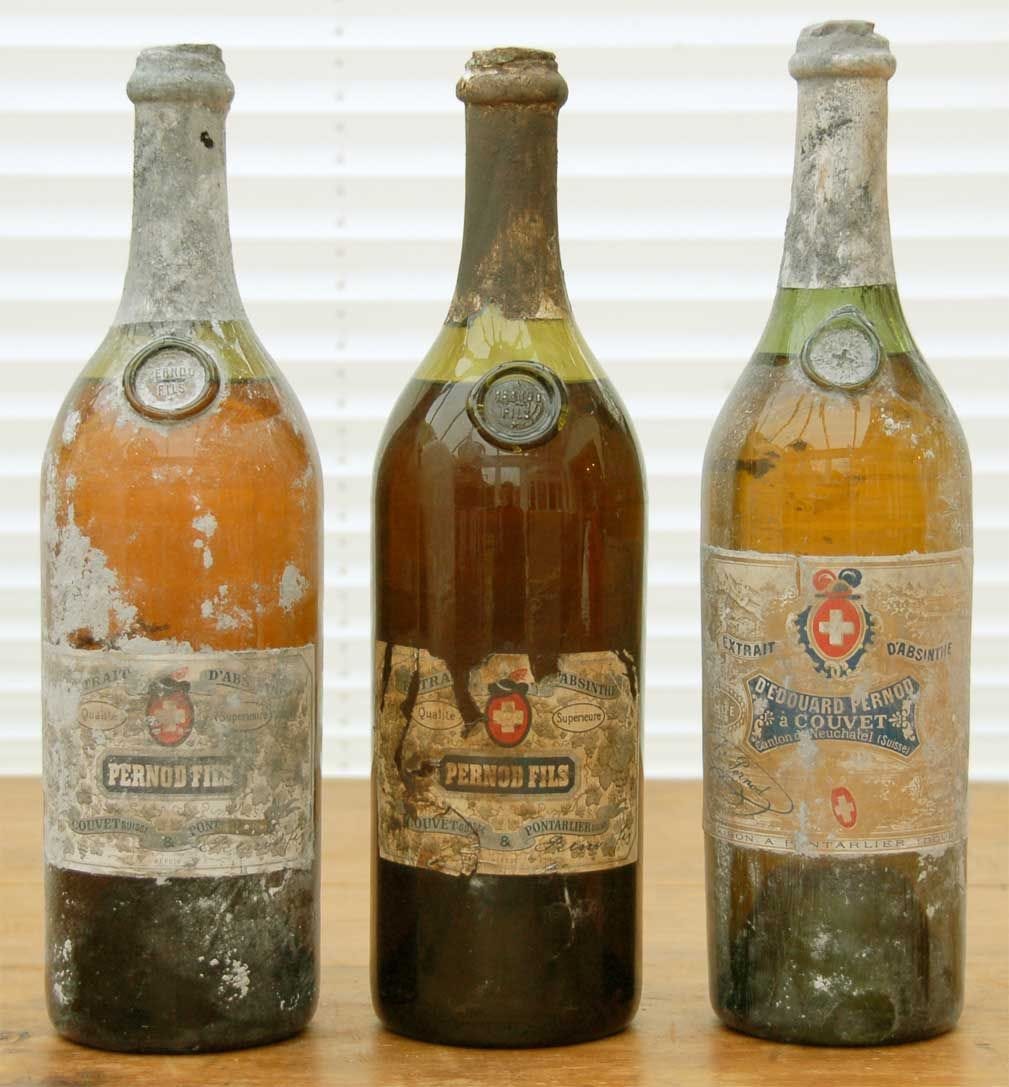
Start with what his winners share that our control group doesn’t. Every one of those catalogs is closed. Nirvana’s ended with Kurt Cobain’s death in April 1994. Queen’s closed when Freddie Mercury died in 1991; Made in Heaven was assembled afterward from vocals he left behind. The Police walked offstage after Synchronicity and never recorded together again; even their reunion tour added nothing but drama. The Beatles dissolved in 1970, and when “Now and Then” arrived in 2023, billed as the last Beatles song, it was built around John Lennon’s voice on a cassette demo from the late 1970s. Notice what every “new” release from these bands has in common: Nirvana’s “You Know You’re Right,” recorded in 1994 and released in 2002, is the same story. Nothing new is ever added. There is no new wine. There are only new pours from a skin that sealed decades ago.
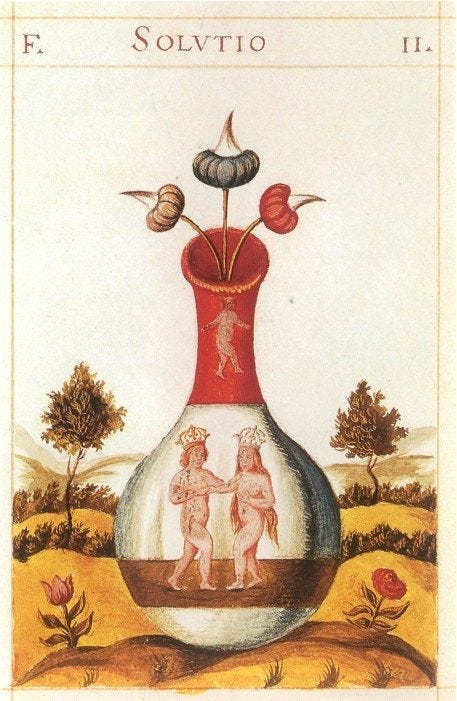
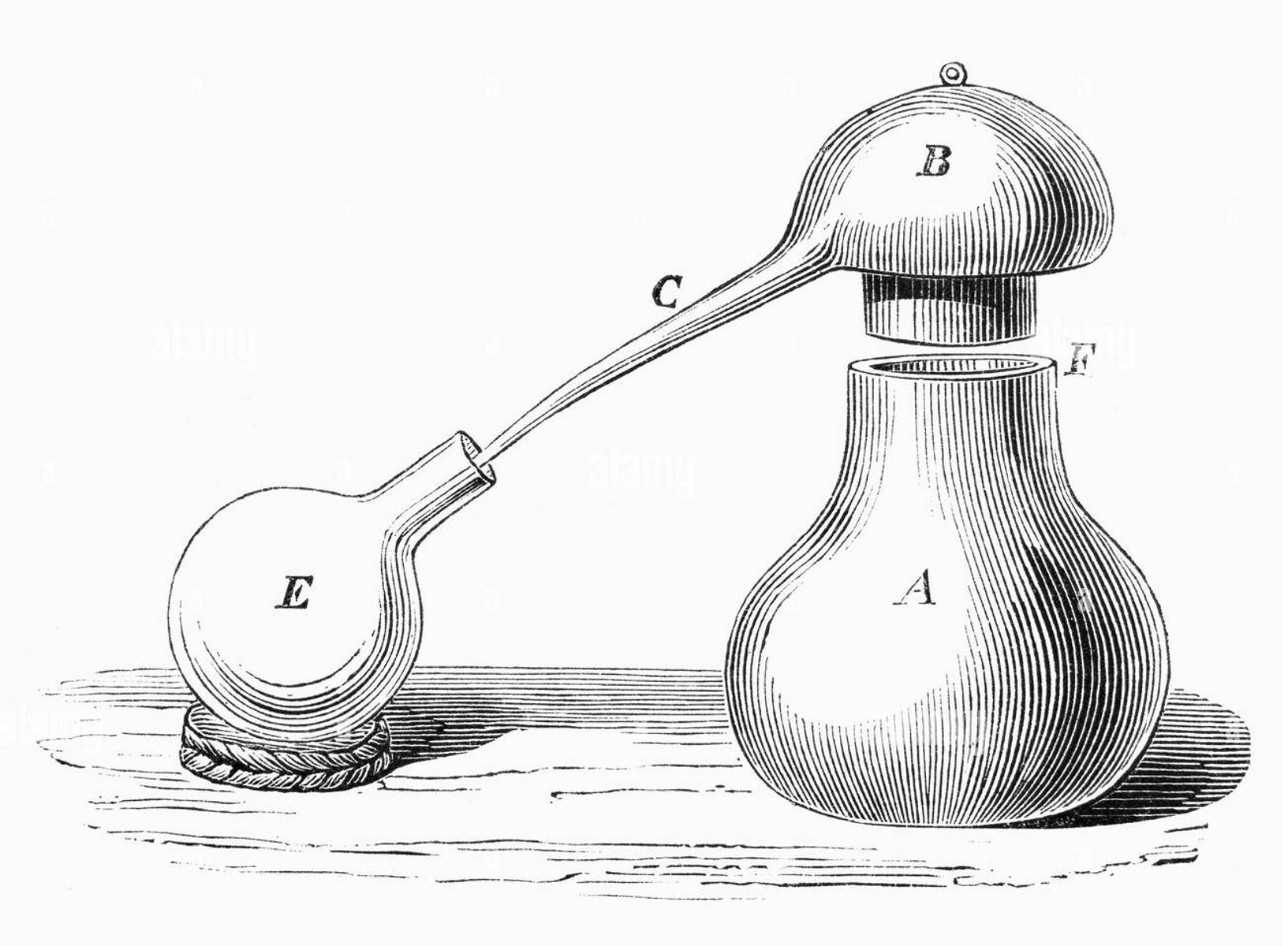
Alchemists were insistent about one point of technique: the work happens in a sealed vessel. The vas hermeticum, closed with the seal of Hermes, is where we get the phrase “hermetically sealed.” Seal a vessel and the transformation runs to completion. Open it mid-work and everything escapes or spoils. A living catalog is an open vessel. Every new album renegotiates old ones, ties songs back to people aging in public, keeps meaning provisional. Fans of a working band are following a running story that could still disappoint them. A sealed catalog is different in kind, not in degree: it has stopped being a career and become canon. Bounded, finished, knowable the same way scripture is knowable. Rick wonders aloud whether their small discographies are part of it; by his count Nirvana made roughly five records, and the Police made exactly five. I’d sharpen that: it isn’t scarcity, it’s boundedness. We can hold whole catalogs within us, and nothing can ever arrive to dilute them.
Completion is the price of permanence. Vessels still open are still careers. Vessels that seal become mythology.
Burned In
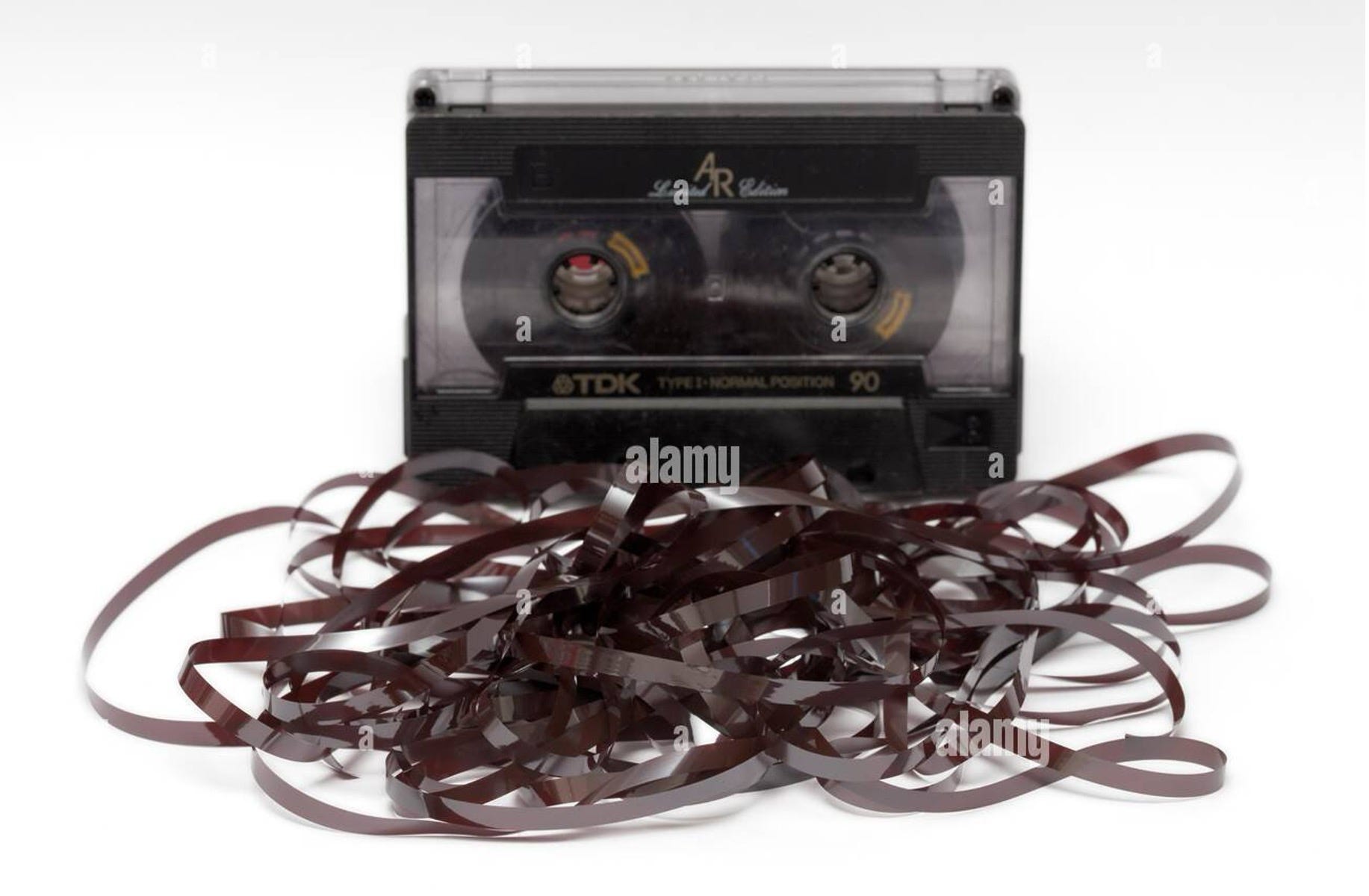
When I recently wrote about He-Man, I leaned on Joseph Campbell’s observation in The Power of Myth that a myth’s power isn’t that it is told but rather that it is enacted: it becomes real in your body, through ritual and participation, through stepping into a story rather than merely hearing it. For kids on their playroom floors with their action figures, the ritual was called playtime. For these songs, the ritual is repetition. Radios playing “Every Breath You Take” all through the summer of 1983. Cassettes rewound until the tape inevitably stretched or snapped. Album sides played to the end, then ceremoniously flipped. Play the first two seconds of “Smells Like Teen Spirit” near anyone who was alive in 1991 and their nervous system completes the riff before thought gets a vote. These songs are not stored in a catalog. They are stored in bodies.
And that burning-in is happening again, to people born a generation after vessels sealed. Rick says his own kids relate to Cobain’s lyrics, and that the famous “Teen Spirit” video reads to them like something that could be on TikTok now. Streaming is pressing these same songs into a second set of nervous systems, and covers keep re-voicing them the way a congregation re-voices a hymnal: musicians were covering the Beatles while their originals were still on the charts, Wes Montgomery cutting “A Day in the Life” in 1967 with Sgt. Pepper barely out, George Benson recording The Other Side of Abbey Road within weeks of Abbey Road itself, and the line running unbroken to Beyoncé’s “Blackbiird.” A song that is sung again by each generation isn’t a hit. It’s liturgy, the same thing that keeps a three-thousand-year-old epic alive by being retold a thousand ways, which I trace in A Complicated Man.
This burning-in reaches even those who sealed other vessels. Brian May, Queen’s guitarist, arrived to play on Travis Knight’s new Masters of the Universe carrying two boxes of He-Man figures he had kept in his attic since boyhood. A man who wrote “We Will Rock You” still had his toys on his shelf and reached for them to hand this myth down to a new generation. One vessel’s living hand, re-pouring another’s wine.

Hiding in Plain Sight
Now for the uncomfortable part: let’s be honest about how most of this listening actually happens in 2026. Nobody is kneeling at the altar of a B-side. Our dominant mode: open laptop, type a band’s name, hit shuffle, work. Queen during an email. Nirvana during a spreadsheet. These catalogs run at low volume beneath the workday of millions of people who could not tell you which song just ended. I wrote in The Wasteland about disenchantment, about attention strip-mined and meaning thinning out of things we handle every day, and this looks like a textbook case: initiation reduced to ambience.
And yet this material does not stop being what it is just because nobody is actively listening to it. It sits there in feeds, data hiding in plain sight. Because here is the part Rick’s video never touches, and the reason these bands interest me more than their streaming numbers do: every one of them carries their esoteric cargo right on the surface. In a band’s name. In a frontman’s chosen name. In an album’s title. In the authorship of the one song everybody streams. None of it is hidden, which is where the esoteric has always preferred to live. Whether I am reading these surfaces truly or only seeing faces in clouds is a fair question, and the lens I bring to it is the whole subject of Calibrating the Lens. Let’s take a magical mystery tour.
A Beautiful Name
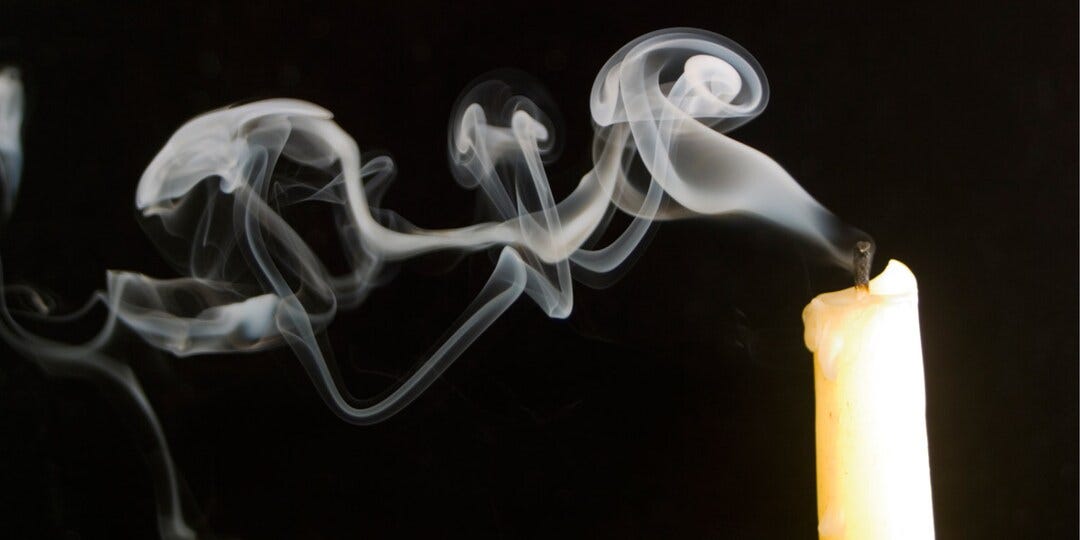
Kurt Cobain said he wanted a band name that was beautiful, instead of the mean, ugly names punk favored. He reached past punk entirely and pulled out nirvana, a Sanskrit word whose literal meaning is “blowing out”: the extinguishing of a flame, your flame of craving, of restlessness, of your burning self, and with it release from the wheel of suffering. I make no claim that Cobain was a practicing Buddhist; he wasn’t, and such a claim isn’t needed. What matters is the pattern our culture completed around his name. A band named for the extinguishing of the self was sealed by the extinguishing of its center, and I won’t romanticize his death; a later section says so plainly. But ancients had a phrase for what’s operating here: nomen est omen. The name is an omen. They believed names participate in things they point to, and thirty years of evidence has not embarrassed them.
He Who Named Himself Mercury
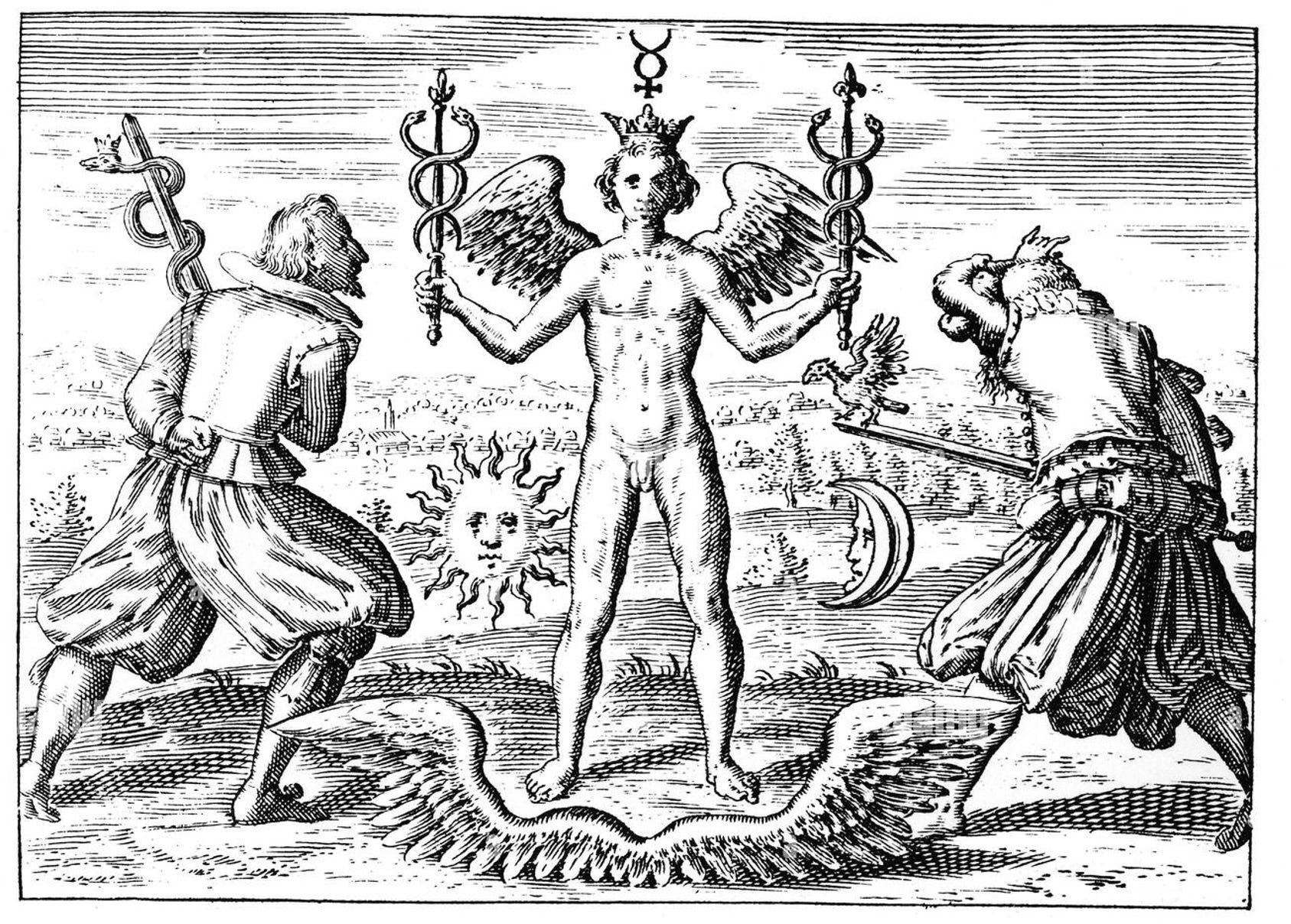
Freddie Mercury was born Farrokh Bulsara, on Zanzibar, to a Parsi family; he was raised Zoroastrian, in a tradition whose rites keep sacred fire burning. On the first Queen album there is a song he wrote called “My Fairy King,” with the line “Mother Mercury, look what they’ve done to me.” The name he took for himself is standing right there in his own lyric. Consider what he reached for. Mercury is the messenger of the gods and a psychopomp, an escort of souls between our worlds of the living and the dead. And in alchemy, Mercurius is more than a planet or a god: he is the volatile spirit that begins, sustains, and completes your entire work, the transforming substance itself; centuries of alchemical texts insist your whole opus begins and ends in Mercurius. A performer of legendary volatility chose, as his own name, the alchemical name for volatility itself. And what has our culture spent three decades doing? Fixing that volatile spirit into permanence: 52.6 million listeners a month in Rick’s tally. Look at which songs, too. “Don’t Stop Me Now” is ecstatic combustion, a shooting star burning through the sky. “Bohemian Rhapsody” is a soul on trial, pleading before Beelzebub. Fire and judgment, from the Zoroastrian who named himself after the god who escorts the dead. It was on the surface the whole time.
Synchronicity, On Purpose
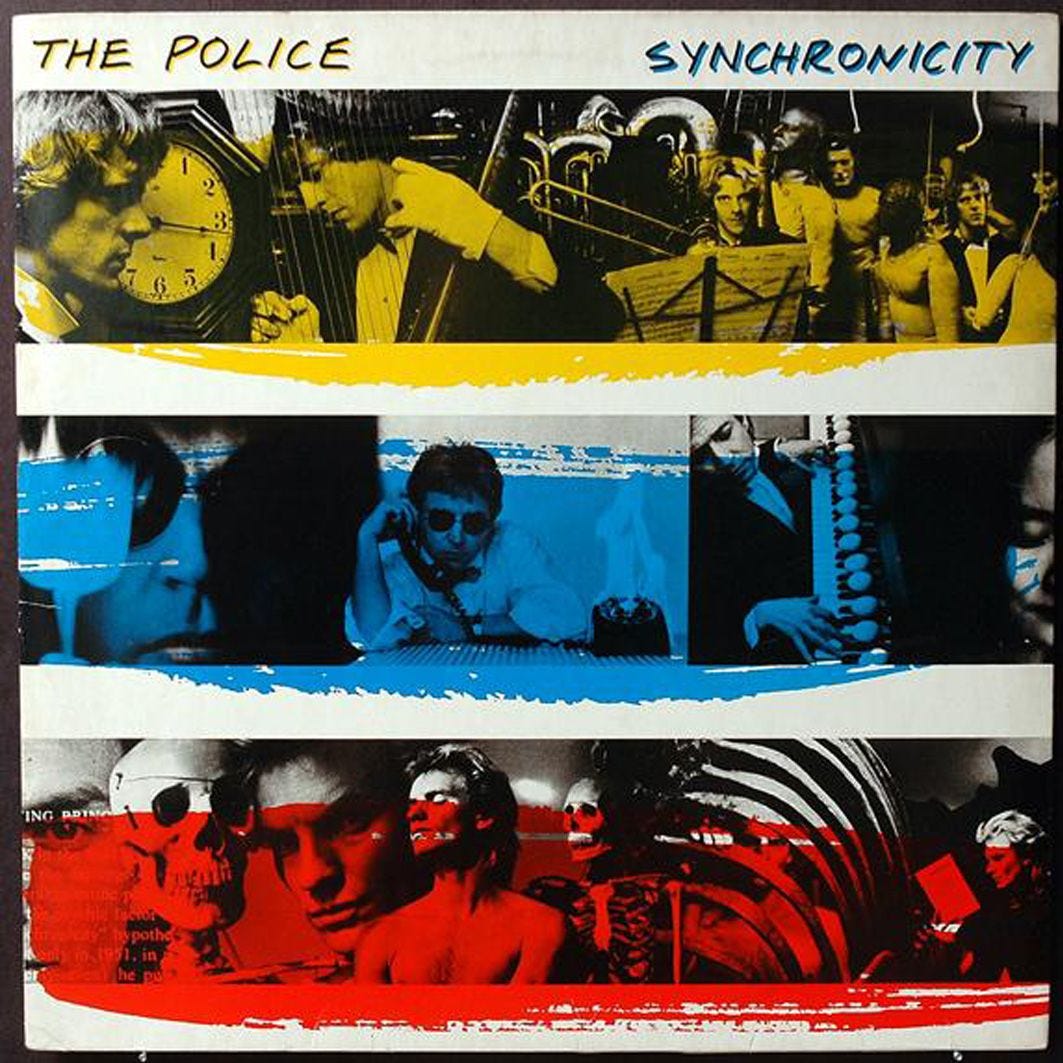
The Police did it in their album titles, twice, consecutively. Their fourth record is Ghost in the Machine, named for Arthur Koestler’s book. Their fifth and final record is Synchronicity, Carl Jung’s term for meaningful coincidence, which reached Sting through Koestler’s The Roots of Coincidence. There are songs on it called “Synchronicity I” and “Synchronicity II.” This requires no squinting from me: one of the biggest bands in our world, at its commercial summit, put depth psychology on the marquee two albums running, then sealed their vessel and walked away. And their eternal song, the one brushing two billion streams? “Every Breath You Take” is a surveillance hymn. The watcher who will not blink. Sting has spent four decades telling interviewers how sinister it is, and our culture has spent four decades playing it at weddings. Obsession wearing devotion’s face, streamed billions of times by people who do not hear it: if you want a single image of meaning hiding in plain sight, here it is.

The Quiet Beatle’s Song
The Beatles, in Rick’s tally, have exactly one song over a billion streams, and it is not Lennon and McCartney’s. “Here Comes the Sun” belongs to George Harrison: the quiet one, the mystic, the man who carried a sitar and Vedanta into the Beatles. He wrote it in the spring of 1969 in Eric Clapton’s garden, playing hooky from Apple’s business meetings, a song about a long cold winter breaking, light returning, and everything being, at last, all right. Half a century on, out of their entire catalog, this is the song our culture has pressed past a billion plays: the mystic’s hymn to his returning light, written while escaping accountants. If a congregation reveals its theology by which hymn it sings unprompted, ours is telling us something. I have an entire chapter about this in Love Isn’t All You Need: George Harrison’s catalog treated as what I believe it to be, a working spiritual technology, a temple you can enter through your ears. There is a name for the entering: Attunement. Curiosity gets you to show up; attunement is what you do once you are there, your deliberate turn from ambient shuffle back into ritual — sacred time, full presence, lyrics felt from within — until a song stops being wallpaper and becomes transmission. Our culture backed into the same conclusion one stream at a time.
A Glyph and a Sigil
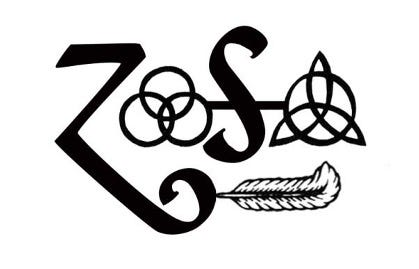
Two bands from Rick’s comparison list deserve a word, because they make the pattern impossible to unsee. In 1993, at the height of his war with his label, Prince dissolved his name into an unpronounceable glyph: not a pseudonym, rather a sigil, a drawn symbol standing where his name used to be, fusing the marks for male and female into one figure. He out-esotericized every band in this essay while fully alive. So why do his streaming numbers trail the four winners? I think he proves the rule from the other side. Prince guarded his vessel while he lived: he pulled his music off the Internet, fought every platform that tried to carry it, and locked thousands of unreleased recordings in a literal vault at Paisley Park. A vessel sealed against its own drinkers pours nothing; his catalog returned to the big platforms only after his death, and the burning-in has had less time to run. Led Zeppelin, meanwhile, put it on their merchandise. Jimmy Page collected Aleister Crowley, bought Crowley’s house on the shore of Loch Ness, had “Do what thou wilt” etched into the run-out groove of Led Zeppelin III, and replaced the title of their fourth album with four occult sigils. ZoSo is not a word. It is a talisman, and it has spent five decades on T-shirts. Rock and roll never needed an esoteric reading imposed on it. It kept announcing one, out loud, in its packaging.

Forever 27
Kurt Cobain was 27 when he died. He is 27 now. He will be 27 in 2100, when the streams Rick predicts are still running. Jimi Hendrix died at 27; Janis Joplin weeks later, also 27; Brian Jones the summer before, 27; Jim Morrison the following year, 27. The 27 Club is folk mythology, not statistics; researchers have checked, and there is no actual mortality spike at that age. But folk mythology is precisely the kind of truth this essay trades in: our culture noticed a pattern and built a shrine around it, and that shrine tells us what our culture fears and wants. Here is what sits within this one. An artist who dies stops being a person and becomes an image, and an image is fixed, in exactly the alchemist’s sense of the word: the volatile made permanent. Dave Grohl, the same man who drummed on Nevermind, walked out of Nirvana’s ashes and built Foo Fighters. He is still writing, still touring, still giving interviews; he ages in public and is compared to himself, and in Rick’s tally his living band trails his dead one by millions of listeners a month. We exist in time and compete with our own past. Symbols do not. Rick sees this in his own house: to his kids, Cobain isn’t their parents’ grief, he is a face their own age, and he always will be. This must be said plainly, though: this permanence was purchased by a suicide that left a daughter without her father. A vessel does not care how it gets sealed. We should. Symbolism reads clearly precisely because the cost was real, and that cost should stay visible inside a reading.
Roman Statues
This pattern is not confined to music, and there is a man with receipts to prove it. The comedian Adam Conover recently asked where all the TV comedies went, and his numbers are Rick-grade: sitcoms account for 1.7% of new shows this decade, while The Big Bang Theory — a vessel sealed in 2019 — still sits in our streaming top ten of May 2026. Twenty years ago we waited all week for Jim’s next prank; deep into the 2020s, we are all still watching The Office. Conover’s answer is structural, not cultural. Streaming cut season orders until characters never had time to become your friends. It split writers’ rooms from sound stages and shipped production overseas, so a joke could no longer be improved ten feet from the set between takes. Piece by piece, it dismantled what he calls the comedy factory: a pipeline that ran from I Love Lucy to Parks and Recreation, worked by a guild that passed their craft from Taxi to Cheers to Frasier. In comedy, Conover says, the process is the product. Break the chain and no budget on earth buys the product back. So streamers do the only thing left, and trade rights to old shows back and forth, in his perfect image, “like medieval nobles trading Roman statues that no artist alive can sculpt.”
And notice when that factory finished burning. Streaming’s conquest and COVID arrived in the same handful of years, and they are two sides of one coin. Conover is emphatic that comedy is not a monologue but a conversation: sitcoms were forged in front of live rooms, writers reading laughter in real time, the way a comedian tours an hour of standup for a year before daring to tape it. Streaming took away that room next to the stage; lockdowns emptied physical rooms — studio audiences, clubs, shared couches — and sitcoms, forms built entirely on communion, needed both. One force burned its workshop. The other scattered its congregation.
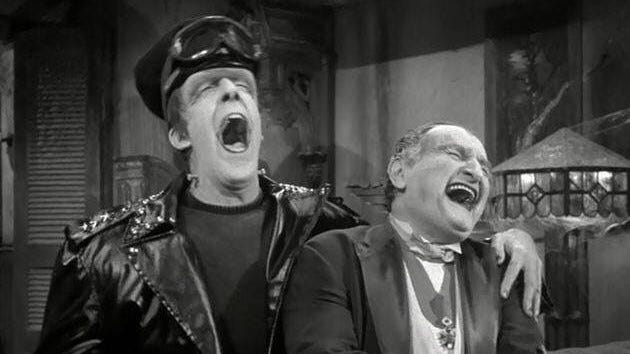
And inside that conversation sits one of the strangest artifacts television has ever produced: the infamous laugh track. It is nearly as old as the form itself. In 1950 The Hank McCune Show pasted recorded laughter over a broadcast taped with no audience, and a sound engineer named Charley Douglass soon built a machine that would sweeten American comedy for a generation: the Laff Box, a padlocked organ of hundreds of laughs on 32 tape loops, played from a keyboard, timed with a pedal. Douglass harvested those laughs from real rooms — a great many from the silent pantomime bits of the 1950s The Red Skelton Show, where no dialogue would spoil the take — and recycled them for decades, so that by the 1970s families were laughing along with the laughter of people who were already dead for decades. Everyone mocks a laugh track as fake. Almost nobody notices what it confesses: the form knew it could not work without a congregation, and when the congregation could not be present, it sealed one in a box and poured from it nightly, dead laughter still doing its hauntingly communal work. This may be the purest sealed vessel in my whole essay. Then the single-camera 2000s stripped this track out as a gesture of sophistication, and streaming removed the room altogether. We did not graduate from manufactured laughter. We lost even the memory that laughter is supposed to be shared.
Greeks would have diagnosed all of this. At their festival of Dionysus a playwright did not submit a binge; they submitted three tragedies and then a satyr play, the raucous comic exhale after a descent, because the form itself knew a psyche cannot hold that much gravity without release. Their ratio was liturgical. Comedy was not filler between dramas; it was the completing element, rationed and placed, the same way a rite ends with a blessing. That a comic exhale is sacred completion and not comic relief is the argument I make in full in Robot Chicken Is Not Desecrating Our Childhood. Now look at what our streaming era calls comedy: The Bear collects comedy Emmys for a show people recommend by describing how much stress it causes. Comedy and tragedy have blurred into one prestige gray, a muted register where everything is a little sad and a little funny yet nothing is fully either, drama wearing comedy’s category as a costume, and a culture that can no longer tell its tragedies from its satyr plays has not outgrown the distinction. It has forgotten why the distinction was sacred. Laughter after descent is the oldest dosage theater knows, and binging cannot administer it.
A Laff Box for Everything
The rebuttal is already forming, and you have probably already heard it: artificial intelligence will fix the drought. Infinite new sitcoms on demand, a new Nirvana record every week, Freddie’s voice cloned back for one more encore. Look closely at what is being proposed. Douglass sealed a congregation in a box and played it from a keyboard. We are now sealing creators themselves in a box, to be played the same way. A generative AI model is a Laff Box scaled to our civilization: inside it sits nothing but sealed vessels, a recorded corpus of the dead, looped and recombinable. It can pour blends of old wine forever. It cannot press one new grape, because the one thing that cannot be scraped is the thing Conover named: the process. Live rooms, guilds, apprenticeships, broke musicians staying in a van long enough to become a real band. The process is the product, and a machine holds only products.
Furthermore, synthetic abundance cannot make a myth, because myths require seals, and the seal is mortality. Cobain’s catalog closed the way a life closes: finished, whole, paid for in full. Nothing in our streaming economy dies that way. A show is either kept open until it spoils, milked past the point anyone remembers why they cared, or cancelled mid-sentence by the next merger. Cancellation is not a death but a severing; nothing completes. And there is a fate past cancellation. Westworld, a show about artificial minds outliving their makers, was not just ended; it was erased from its own platform as a write-off, memory-holed by the same company that made it. Old vessels sealed and became myths. New ones are left open until they rot or are smashed like piggy banks for accounting. That is our pop model running at full speed: revolving garbage, content engineered to be replaced by next week’s content, staying power not just absent but unwanted. Streams of artists long dead will still be running in 2100. Nobody will stream this season’s synthetic slop by next spring.
The machine does not threaten our sealed vessels. It enthrones them. Those medieval nobles from Conover’s earlier image, the ones trading statues no living artist can sculpt, have finally acquired a printer for Roman statues, and it will bury our culture in counterfeits by the shitton, and every shitton makes originals more precious, because in a world of infinite content the only scarce things left are sealed vessels: works with death in them. A machine can copy everything except mortality. It will never stop generating, and that is exactly why nothing it generates will ever be finished.
The Wineskin
There is an old warning about putting new wine into old wineskins: a new wine bursts an old skin, then both are lost. Our story is its inversion. No new wine is coming, ever again, from any of these bands. Half of the Beatles are already gone, and so is Freddie Mercury, the voice of Queen. Of those who remain, Paul McCartney and Ringo Starr are in their eighties; the Police and what’s left of Queen are in their seventies and eighties. One by one, as their remaining hands leave their works, each wineskin takes its final seal, and what remains is the carrying. So who carries their wine? Not platforms, or not for long. Spotify is a container, and containers rotate: vinyl, cassette, CD, MP3, stream; each one looked permanent, and none was. Songs shed every container we pour them through, because their real container was never a medium. It is us: nervous systems these songs are burned into, at full attention in 1969 or at half-attention during a spreadsheet at work, willingly or ambiently, generation after generation. History has decided, Rick says, and he is right, but our history is not a courtroom handing down verdicts from somewhere outside our world. It is our culture running its own distillation in public, pouring its wine from one new vessel to another new vessel and keeping only what refuses to die.
There is an opposite response to a sealed vessel, and it is not reverence but refusal: to pry a seal open, resurrect a voice with a machine, and sell an image back to the people who loved it. When our culture cannot let its dead stay dead, its myth curdles into an idol it worships, scapegoats, and owns. That is where I am going next in a series called Modern Idols. These four kept their seals; the next ones had theirs broken for them.
That is my answer to Rick’s profound question, and many thanks to him for asking it. His four bands still playing in 2100 will be the same whose vessels sealed, whose wine got into our bodies, and whose meaning sits in plain sight, waiting for anyone to open their eyes and look at it directly. My essays are dispatches from exactly such places, where something sacred still runs beneath a secular surface; a radio was never just a radio. If reading a band’s catalog the way traditions read scripture sounds like a door you would like to walk through, that is the method of the book I am finishing now, Love Isn’t All You Need: A Manifesto for Curiosity. Chapter ten builds a working temple out of George Harrison alone. Sign up at loveisntallyouneed.com/notify and you will know the moment the doors open.